


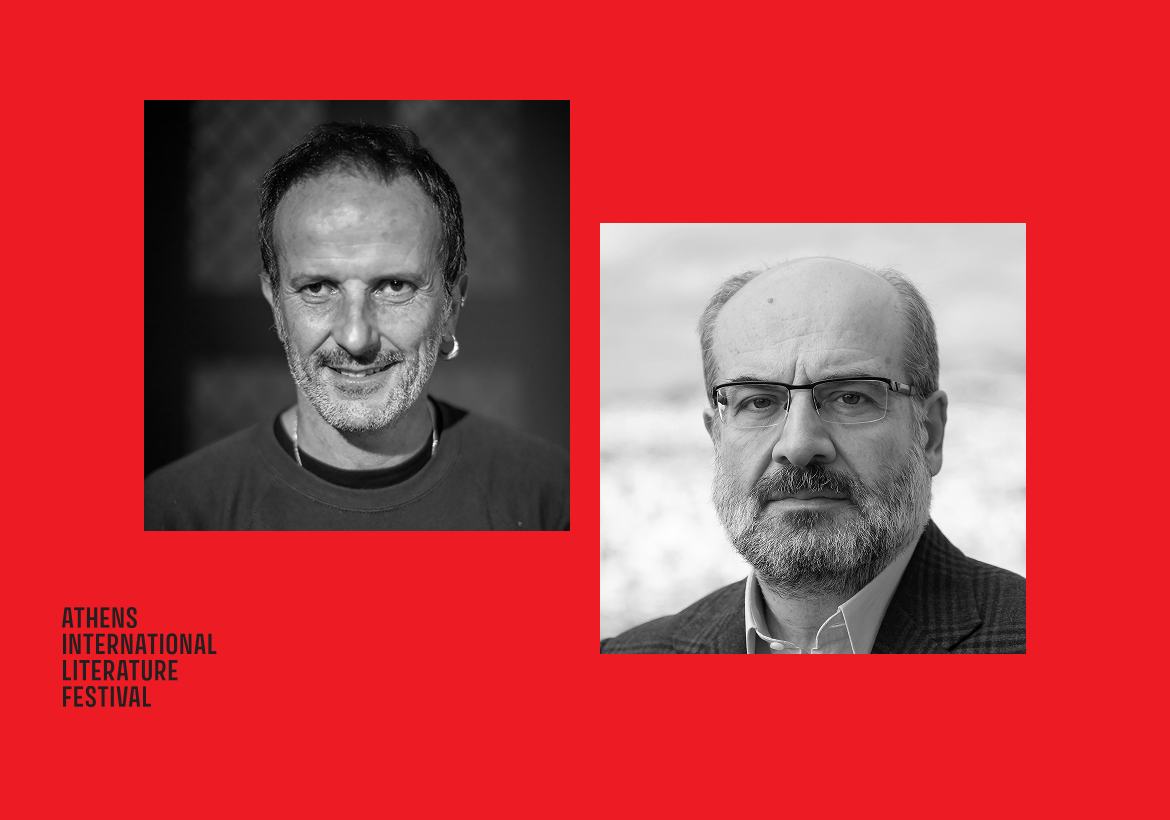
L’Istituto Italiano di Cultura di Atene, in occasione dell’Athens International Literature Festival, vi invita all’incontro
Contemporary uses and misuses of the “classical”
con Matteo Nucci e Dimitris Plantzos
28 Marzo 2026 | 13:00 – 14:30
presso Purifier – Technopolis City of Athens (Pireos 100)
Al termine dell’incontro, si terrà il firmacopie dalle 14.45 alle 15.30 presso Old Retorts.
I titoli disponibili in traduzione greca possono essere acquistati presso il Technopolis Shop e presso il book café INNOVATHENS.
Per partecipare agli incontri, che si terranno nelle sale Aeriophylakio 1 – Auditorium “Miltiadis Evert” e Dexamenes Katharismou, è necessaria la prenotazione dei posti. Una parte dei biglietti sarà disponibile tramite la piattaforma more.com, con prenotazioni aperte a partire da lunedì 23 marzo alle ore 12:00. I restanti biglietti saranno distribuiti presso il desk di registrazione del festival due ore prima di ogni evento, in ordine di arrivo. I possessori di biglietto dovranno trovarsi all’esterno della sala 20 minuti prima dell’inizio; in caso di ritardo, il posto sarà riassegnato. Coloro che non riusciranno ad accedere alle sale potranno seguire gli incontri sugli schermi LED nel cortile esterno e presso INNOVATHENS, senza necessità di prenotazione.
Interpretariato tramite piattaforma digitale
Tutti gli incontri saranno accompagnati da traduzione simultanea nella lingua dei segni greca, nonché da traduzione in greco e in inglese dalle lingue in cui si svolgeranno le discussioni. Per accedere al servizio di interpretariato, i visitatori potranno scansionare il codice QR presente sul posto e connettersi tramite i propri telefoni cellulari. Per l’ascolto, sarà necessario disporre di auricolari personali.
Attività parallele del festival
L’esperienza del festival è arricchita da un ampio programma di attività parallele che amplia l’esperienza letteraria oltre le sale degli incontri. Visite guidate al Museo Industriale del Gas e alla città, installazioni di arte digitale, proiezioni ed eventi musicali compongono un programma multidimensionale, in cui la letteratura dialoga creativamente con la città, il patrimonio industriale, le immagini in movimento, la musica e le nuove tecnologie. Le attività collaterali sono a ingresso libero, fino a esaurimento posti. Info: ailf.gr